That faint smell that never quite goes away, even after washing—it was the moment I realized my cutting board was doing more harm than good.
I never thought much about cutting boards. For years, I used the same wooden board my mom gave me when I moved out. It was sturdy, familiar, and did the job—or so I thought.
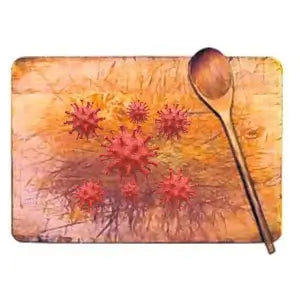
Then one evening, while prepping dinner, I noticed something. A faint smell. Not strong, but persistent. Even after scrubbing it with soap and hot water, it lingered. I tried vinegar. I tried baking soda. Nothing worked.
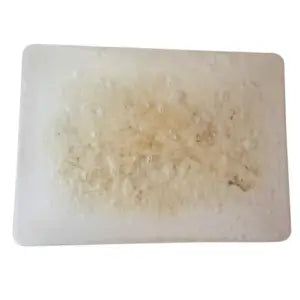
That's when it hit me: this board had been absorbing everything I'd ever cut on it. Onions, garlic, raw chicken. The grooves were deep, the surface was stained, and no amount of cleaning could undo years of use.
I didn't want to throw it away, but I couldn't ignore what I was seeing—and smelling.
That moment led me down a rabbit hole. I started researching cutting boards—materials, hygiene, durability. I learned more in a week than I had in a decade of cooking.
That's when I came across titanium cutting boards. I'd never heard of them before. Titanium? For a cutting board? It sounded almost too niche to be real.
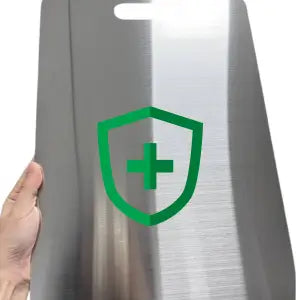
But the more I read, the more it made sense. Titanium is non-porous, naturally antimicrobial, and doesn't absorb odors or stains. It's also incredibly durable—used in aerospace and medical tools for a reason.
I found a brand called Titan™ cutting board. They weren't flashy or overhyped. Just straightforward, well-made boards designed for people who care about what they cook on.
I decided to try one. And honestly, I wasn't sure what to expect.
What follows is what I learned after using it for several months—why I switched, what I like about it, and what I think anyone considering a titanium cutting board should know.